
Prosthesis: Defining Artificial Devices That Restore Function and Quality of Life

Prosthesis: Defining Artificial Devices That Restore Function and Quality of Life
By Pan Wang | International Trade Manager, Medi Global
Prostheses are artificial devices that replace missing body parts—external or internal—to restore normal functions and improve daily living. By substituting for limbs, joints, or organs, prostheses enable individuals to regain mobility, strength, and independence, effectively bridging gaps caused by trauma, disease, or congenital conditions. Beyond mere function, well-fitted prostheses significantly enhance quality of life, allowing users to participate fully in social, educational, and vocational activities while reducing reliance on long-term care.
What Is a Prosthesis?
A prosthesis is an artificial device designed to replace or augment a missing or impaired part of the body. Prostheses range from external limbs—such as arms, legs, and hands—to internal implants like heart valves and joint replacements. They are crafted from advanced materials (e.g., carbon fiber, titanium, medical-grade silicone) and may include mechanical, electronic, or surgical components to match individual needs.
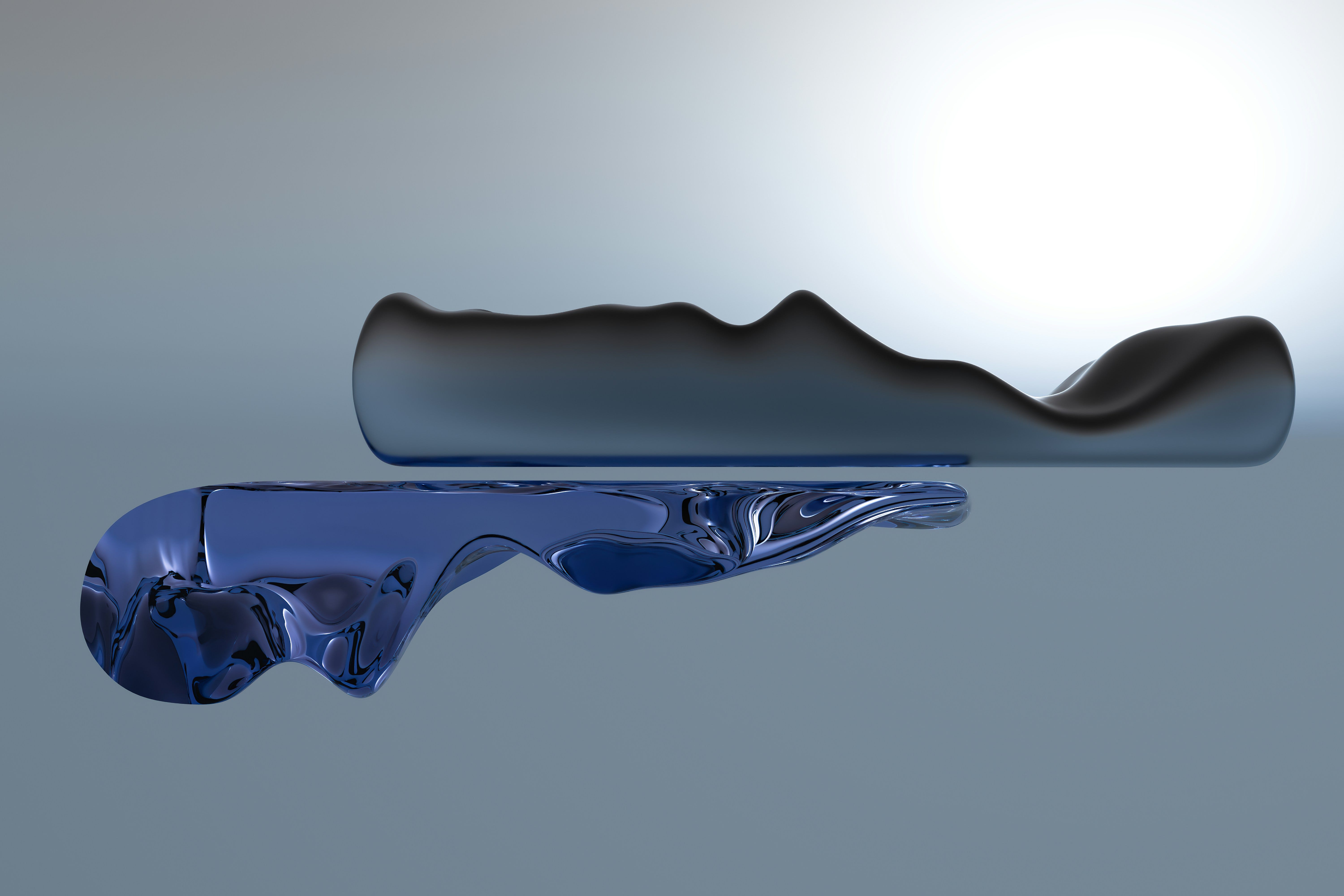
Figure 1. Contemporary prostheses employ CAD and advanced materials for lightweight strength and custom fit.
Restoring Function
Prostheses are engineered to mimic the biomechanics of natural body parts, enabling users to perform essential tasks—walking, grasping, or chewing—with minimal effort. Rehabilitation teams, including prosthetists and physical therapists, fine-tune each device through casting, digital scanning, and dynamic alignment to optimize performance. Modern microprocessor-controlled and body-powered systems dynamically adjust to user movement patterns, offering real-time support for complex activities like stair climbing or running.
Enhancing Quality of Life
By restoring functional capacity, prostheses dramatically improve users’ autonomy and self-confidence. Access to custom-made devices reduces social stigma and fosters participation in community life, education, and employment. Additionally, prosthetic interventions can decrease long-term healthcare costs by minimizing secondary complications and lifelong care dependency.
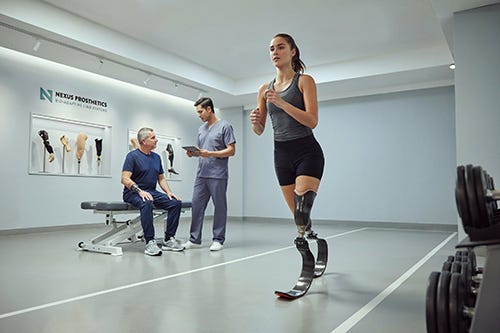
Figure 2. With the right prosthetic solution, users can return to work, sports, and social activities.
Future Directions
Advancements in osseointegration, neural interfaces, and smart materials promise even tighter integration between user and device, further enhancing function and comfort. Personalized 3D-printed sockets and AI-driven control algorithms are on the horizon, offering bespoke solutions tailored to each user’s unique anatomy and lifestyle.
Author Bio

Pan Wang is the International Trade Manager at MEDI GLOBAL ASSISTIVE DEVICE CO., LTD. He focuses on the global prosthetics and orthotics market, supporting international distributors, rehabilitation professionals, and healthcare partners with practical insights on mobility solutions, product selection, and industry trends. Through his writing, he shares technical knowledge and market experience to help readers better understand assistive devices and rehabilitation technologies.